

China Loses Ground in Canada as Apparel Buyers Shift Sourcing Strategies

Share Post
China’s long-standing dominance in the Canadian apparel market is beginning to show signs of erosion, as shifting global dynamics and strategic sourcing decisions reshape trade flows. Recent industry insights indicate that China has lost nearly 4% of its market share in Canada’s apparel imports, a development that reflects a broader realignment among Western buyers seeking diversification and supply chain resilience.
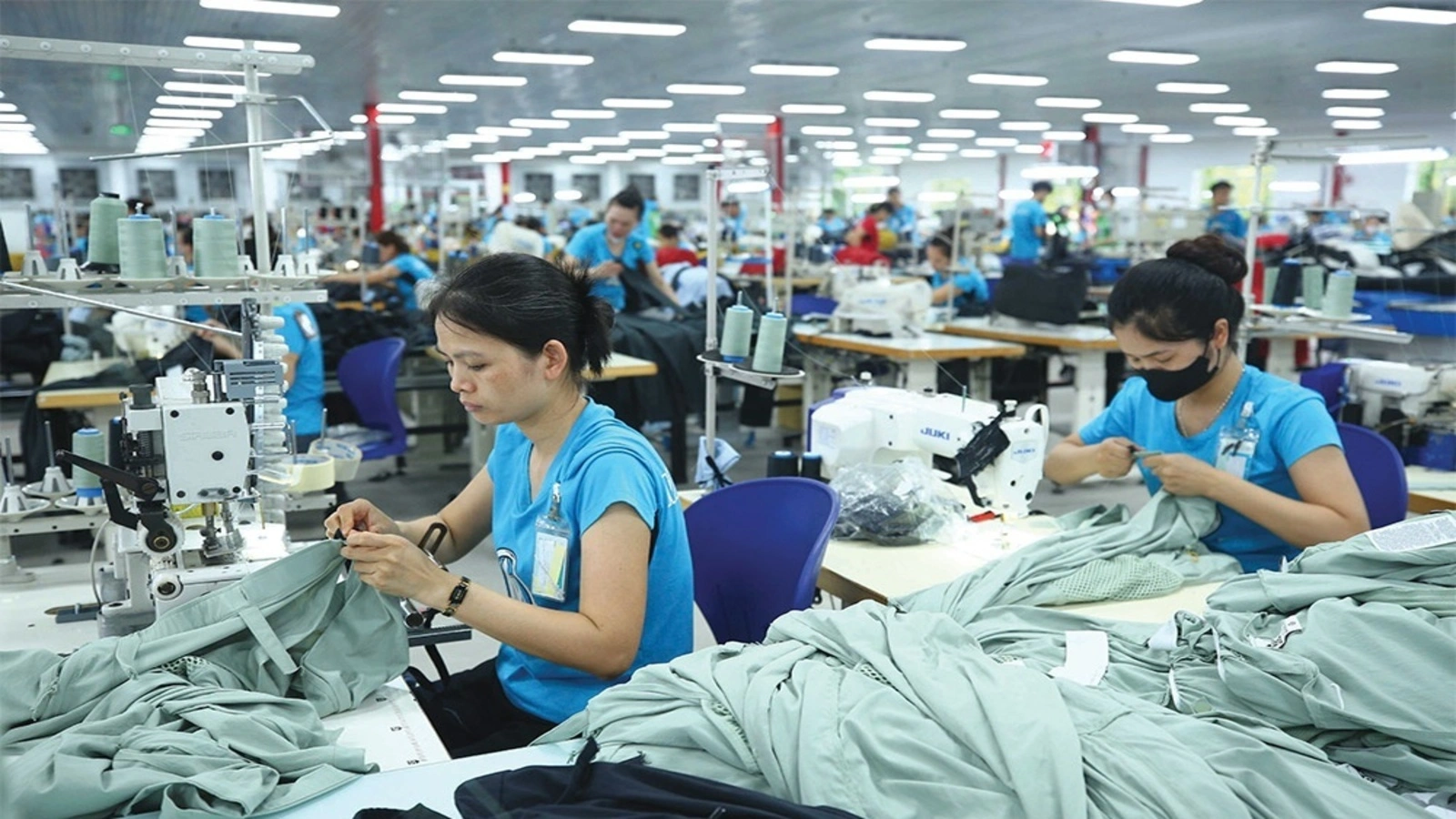
For years, China has been the backbone of global apparel manufacturing, offering unmatched scale, efficiency, and cost competitiveness. However, rising geopolitical tensions, increased compliance requirements, and a growing focus on risk mitigation have prompted retailers and brands in Canada to rethink their sourcing strategies. Instead of relying heavily on a single country, buyers are now actively distributing orders across multiple markets to reduce vulnerability.
Countries such as India, Bangladesh, and Vietnam are emerging as key beneficiaries of this shift. These nations are capitalizing on their competitive labor costs, improving manufacturing capabilities, and expanding trade relationships with Western economies. As a result, they are steadily gaining ground in markets that were once overwhelmingly dominated by China.
The shift is also being influenced by sustainability concerns and evolving consumer expectations. Western buyers are increasingly prioritizing transparency, ethical sourcing, and environmentally responsible production practices. This has encouraged them to explore alternative sourcing destinations that align better with these values while still maintaining cost efficiency.
Despite the decline, China remains a major player in the global apparel industry. Its advanced infrastructure, integrated supply chains, and ability to handle large-scale production continue to give it a strong competitive edge. However, the recent dip in Canada highlights a changing landscape where flexibility and diversification are becoming just as important as cost.
Looking ahead, the global apparel trade is expected to become more distributed, with multiple sourcing hubs coexisting rather than one dominant supplier. For China, the challenge will be to adapt to this new reality, while for emerging players, the opportunity lies in capturing a larger share of a rapidly evolving market.
11:48 AM, May 06
Source : China Loses Ground in Canada as Apparel Buyers Shift Sourcing Strategies
Other Related Topics

.webp)
Industry Update


1.webp)
1.webp)
1.webp)


1.webp)

1.webp)
India’s Textile Exports Slip in FY26, Exposing Structural Gaps in Global Competitiveness...view more
1.webp)
1.webp)
.webp)
1.webp)
1.webp)
1.webp)
1.webp)

India Textile Exports Fall in FY26: Apparel Shows Slight Strength Amid Global Challenges...view more
1.webp)

1.webp)

1.webp)
1.webp)
1.webp)
1.webp)
1.webp)
1.webp)


India Expands ₹10,683 Crore Textile PLI Scheme to Boost MMF and Technical Textile Growth...view more

1.webp)
1.webp)
1.webp)
1.webp)
1.webp)




1.webp)




1.webp)


1.webp)

1.webp)


1.webp)


Uttar Pradesh’s New PM MITRA Textile Park Aims to Transform State into Major Textile Hub...view more


1.webp)
Punjab Eyes Green Transformation of Textile Processing Clusters to Attract Global Brands...view more


1.webp)

1.webp)

1.webp)


1.webp)


.webp)
1.webp)
1.webp)


1.webp)
1.webp)
1.webp)



1.webp)
1.webp)

1.webp)


1.webp)


1.webp)
1.webp)


1.webp)

1.webp)


1.webp)


1.webp)
1.webp)
1.webp)


Kolkata Set to Become Textile Sourcing Hub as YARNEX and TEXINDIA Return in January 2026...view more
1.webp)
1.webp)

1.webp)



1.webp)
1.webp)
1.webp)

1.webp)
1.webp)
1.webp)

1.webp)
1.webp)
1.webp)


1.webp)


1.webp)


1.webp)



1.webp)


1.webp)


1.webp)
1.webp)
1.webp)

1.webp)

.webp)

1.webp)


1.webp)







1.webp)









1.webp)



1.webp)



Carrington Textiles Introduces Defence Stock Range for Faster Access to Military Fabrics...view more


1.webp)


1.webp)


1.webp)
1.webp)


India’s Energy Giant to Reshape Textile Landscape with Advanced Polyester Hub in Bhadrak...view more

1.jpg)


_large1.jpeg)


.png)


.jpg)


1.jpeg)