

Surat Weavers Struggle as Yarn Prices Stay High Despite Duty Relief in India

Share Post
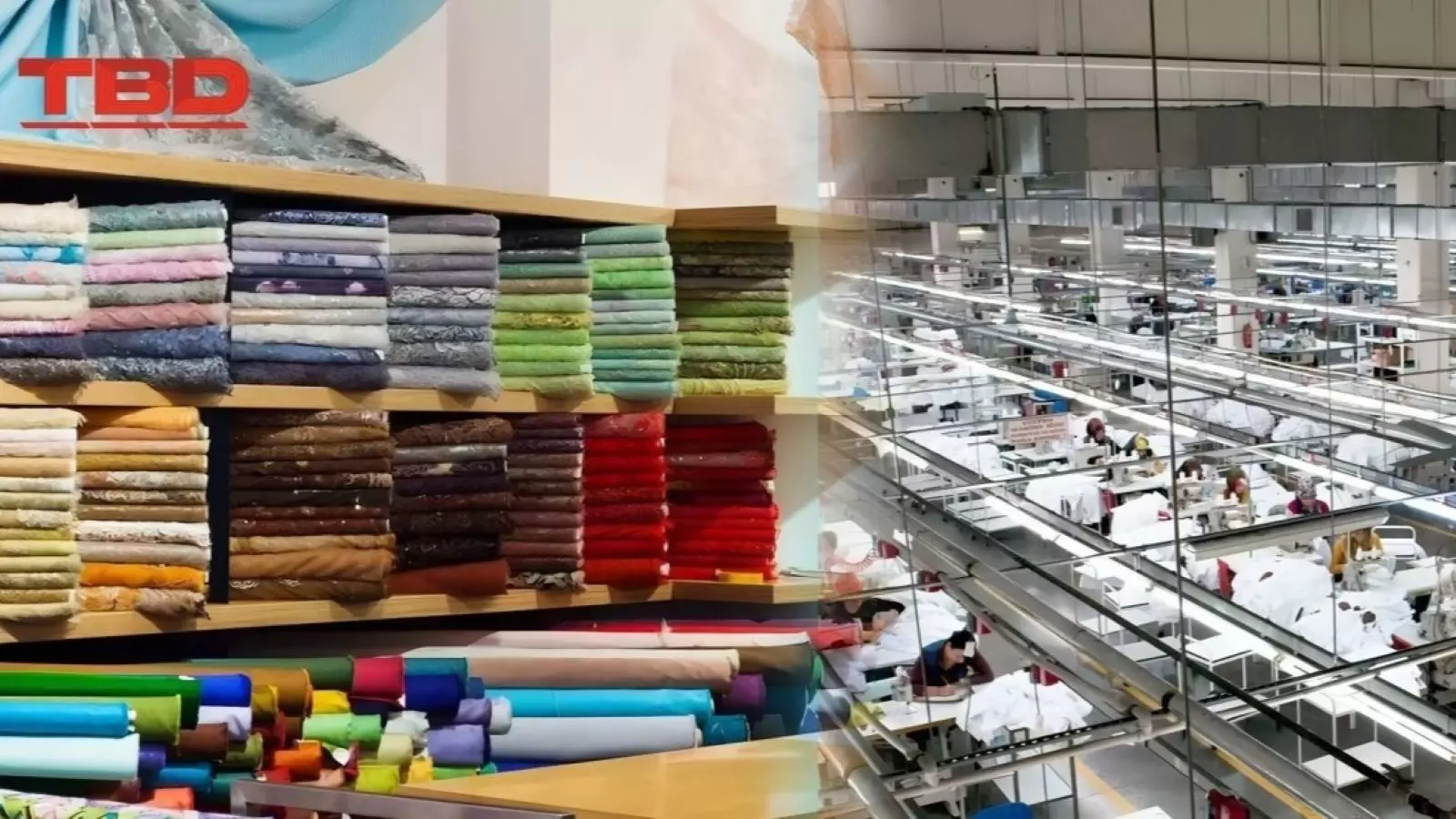
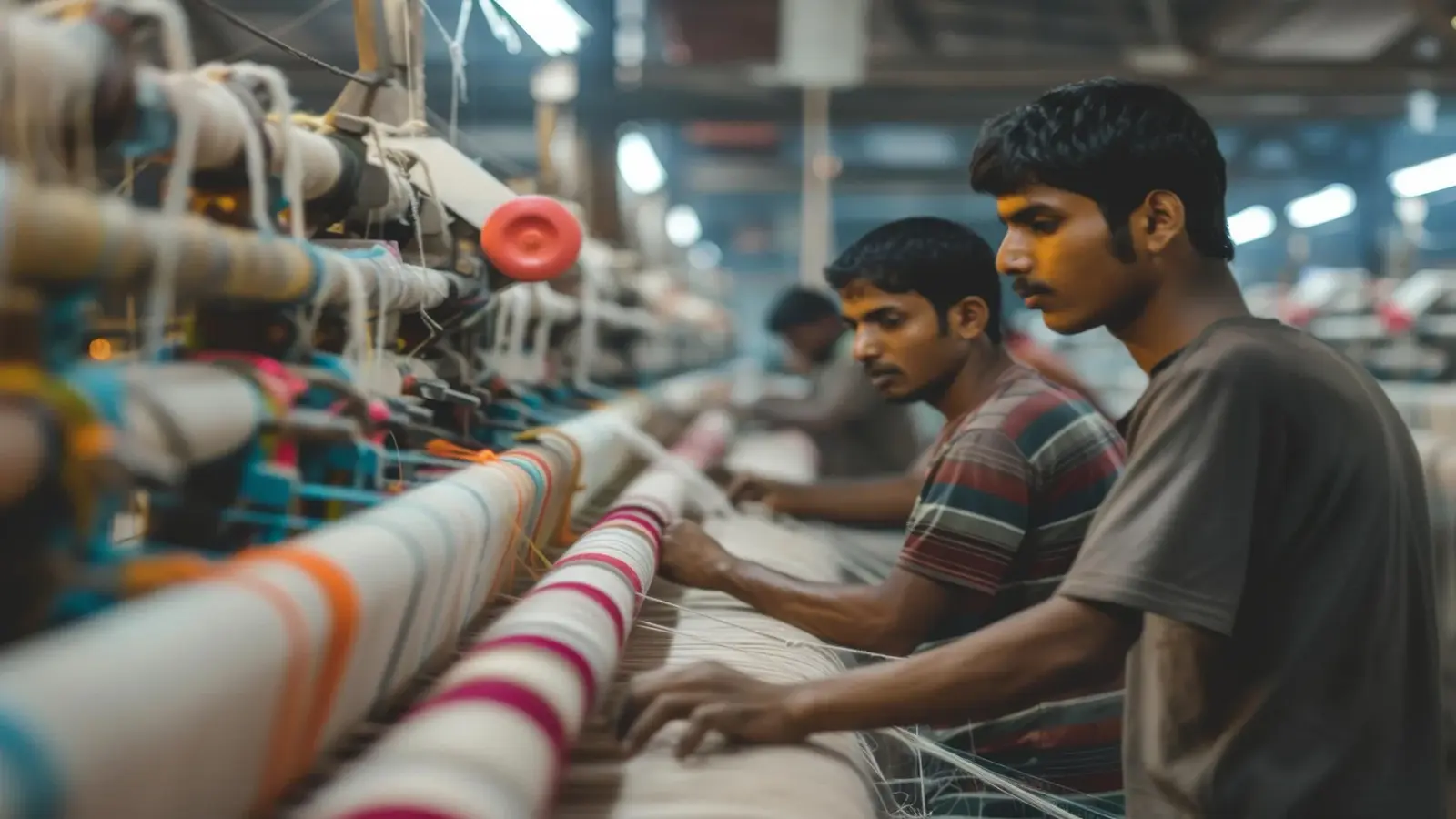
Despite the government’s recent decision to exempt several petrochemical raw materials from customs duty, textile weavers in Surat continue to struggle with persistently high yarn prices, raising concerns across India’s largest man-made fabric hub.
Industry stakeholders say the expected price relief has not materialised, leaving weaving units under significant financial stress.
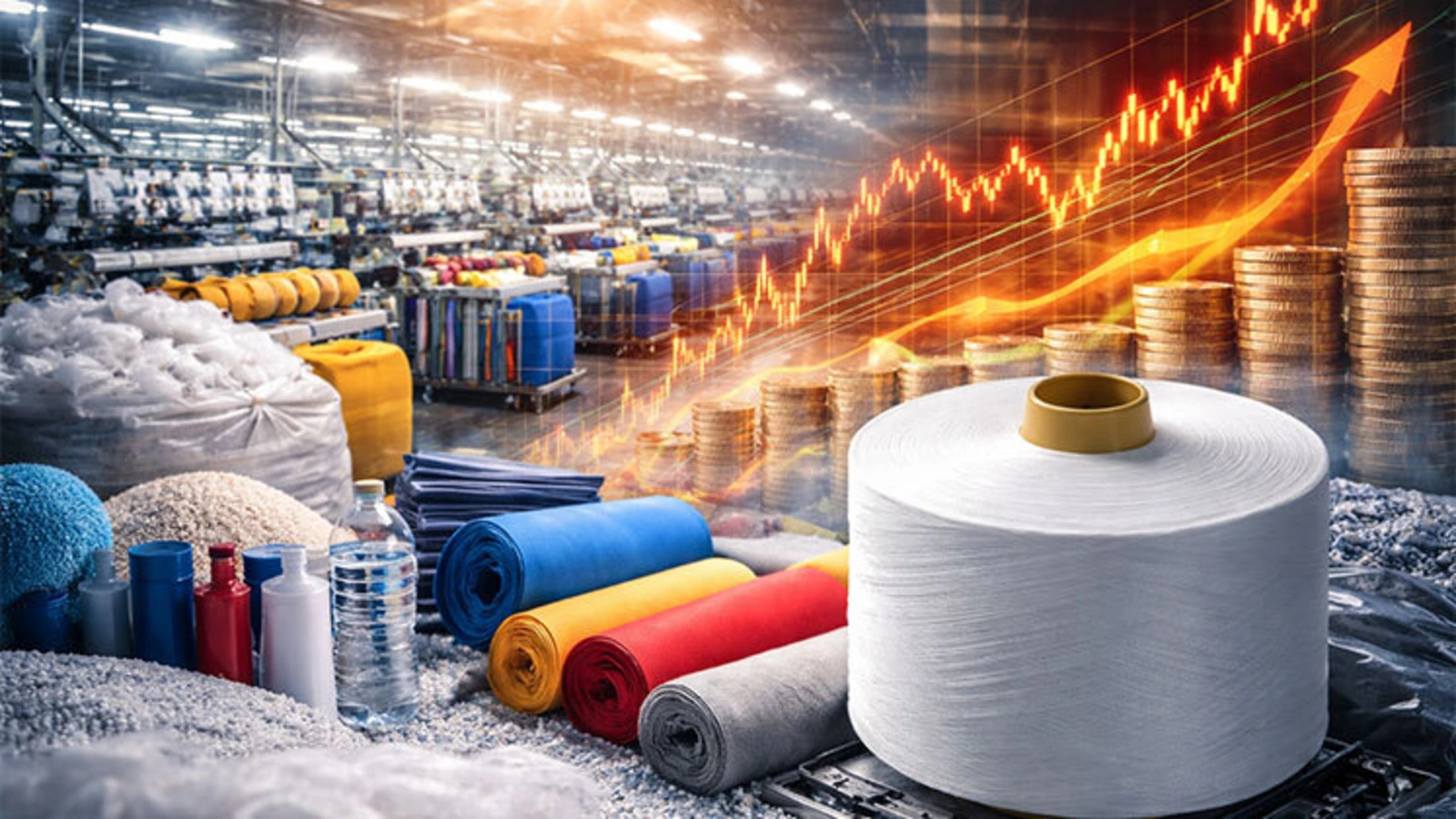
The Centre had earlier removed customs duty on over 40 petrochemical inputs, a move aimed at reducing production costs for yarn manufacturers. However, weavers claim that yarn prices have not corrected in line with the reduced input costs, creating a mismatch in the value chain.
Weavers allege that yarn manufacturers are quick to increase prices when raw material costs rise but are slow to reduce them when prices fall. This imbalance is directly affecting profitability and operational sustainability.
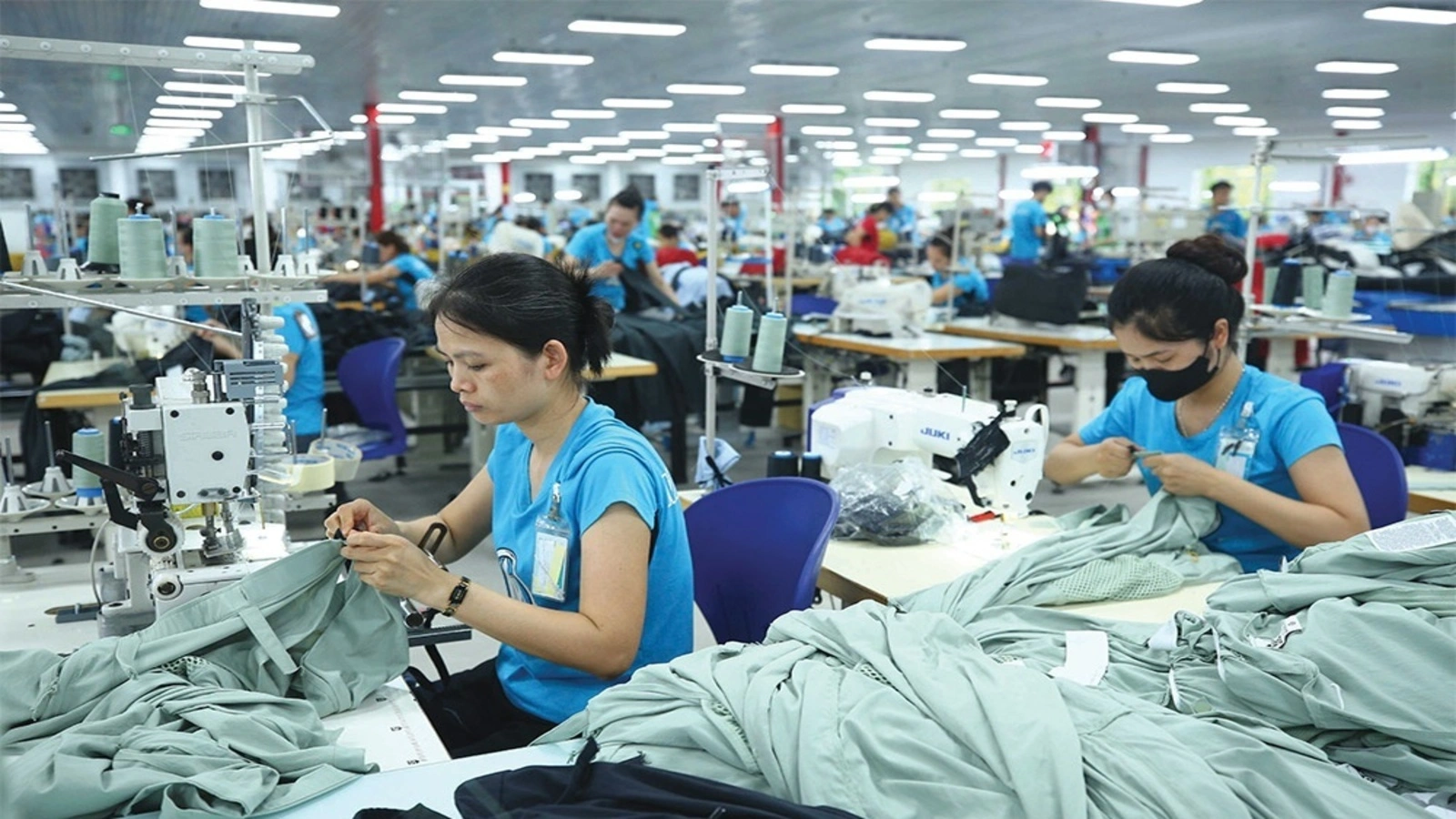
The continued rise in yarn prices has forced many weaving units to scale down operations:
-
Several units are now operating only one shift per day
-
Some factories remain closed for two days a week
-
A number of units are facing acute financial distress
These measures reflect the growing pressure on small and medium enterprises (SMEs), which operate on thin margins and are more vulnerable to cost fluctuations.
Yarn Manufacturers Cite Global Factors
Yarn manufacturers, however, have defended the pricing trends. They argue that yarn prices are influenced by multiple global factors, including:
-
Fluctuations in the US dollar
-
Volatile crude oil prices
-
Ongoing geopolitical tensions
According to manufacturers, the customs duty exemption alone is insufficient to determine yarn pricing, as global market dynamics continue to drive costs.
Apart from rising input costs, the sector is also dealing with labour-related issues, particularly shortages of cooking gas for workers. This has affected worker retention and productivity, further disrupting operations in the textile cluster.
Weak Demand Worsens Industry Outlook
The situation is further aggravated by weak demand for textile products, both domestically and in export markets.
The combination of:
-
High raw material costs
-
Reduced production capacity
-
Sluggish demand
is creating a challenging environment for the entire textile value chain. Industry experts warn that if the situation continues, it could lead to further production cuts and reduced output in the coming weeks.
Industry Concerns and Way Forward
Weavers are urging for quicker price corrections and better alignment between raw material cost reductions and yarn pricing. They believe that without timely intervention, the sector could face:
-
Declining competitiveness
-
Loss of skilled labour
-
Reduced export potential
The developments highlight the fragile balance within India’s textile ecosystem, where global factors and domestic policy measures must work together to stabilise the industry.
The ongoing yarn price issue underscores deeper structural challenges in the textile sector. While government initiatives aim to provide relief, market realities and global uncertainties continue to dominate pricing trends, leaving Surat’s weaving industry under pressure.
If corrective measures are not implemented soon, the sector may witness prolonged slowdown, impacting one of India’s most important textile clusters.
05:31 PM, Apr 08


.webp)
.webp)
Industry Update


India Expands ₹10,683 Crore Textile PLI Scheme to Boost MMF and Technical Textile Growth...view more

1.webp)
1.webp)
1.webp)
1.webp)
1.webp)




1.webp)



1.webp)


1.webp)

1.webp)


1.webp)


Uttar Pradesh’s New PM MITRA Textile Park Aims to Transform State into Major Textile Hub...view more


1.webp)
Punjab Eyes Green Transformation of Textile Processing Clusters to Attract Global Brands...view more


1.webp)

1.webp)

1.webp)


1.webp)


.webp)
1.webp)
1.webp)


1.webp)
1.webp)
1.webp)



1.webp)
1.webp)

1.webp)


1.webp)


1.webp)
1.webp)


1.webp)

1.webp)


1.webp)


1.webp)
1.webp)
1.webp)


Kolkata Set to Become Textile Sourcing Hub as YARNEX and TEXINDIA Return in January 2026...view more
1.webp)
1.webp)

1.webp)


1.webp)
1.webp)
1.webp)

1.webp)
1.webp)
1.webp)

1.webp)
1.webp)
1.webp)


1.webp)


1.webp)


1.webp)



1.webp)


1.webp)


1.webp)
1.webp)

1.webp)

1.webp)

.webp)

1.webp)


1.webp)








1.webp)








1.webp)



1.webp)



Carrington Textiles Introduces Defence Stock Range for Faster Access to Military Fabrics...view more


1.webp)


1.webp)


1.webp)
1.webp)


India’s Energy Giant to Reshape Textile Landscape with Advanced Polyester Hub in Bhadrak...view more

1.jpg)


_large1.jpeg)


.png)


.jpg)


1.jpeg)