

Pakistan Textile Sector at a Crossroads as Rising Costs and Disrupted Supply Chains Deepen the Crisis
Share Post
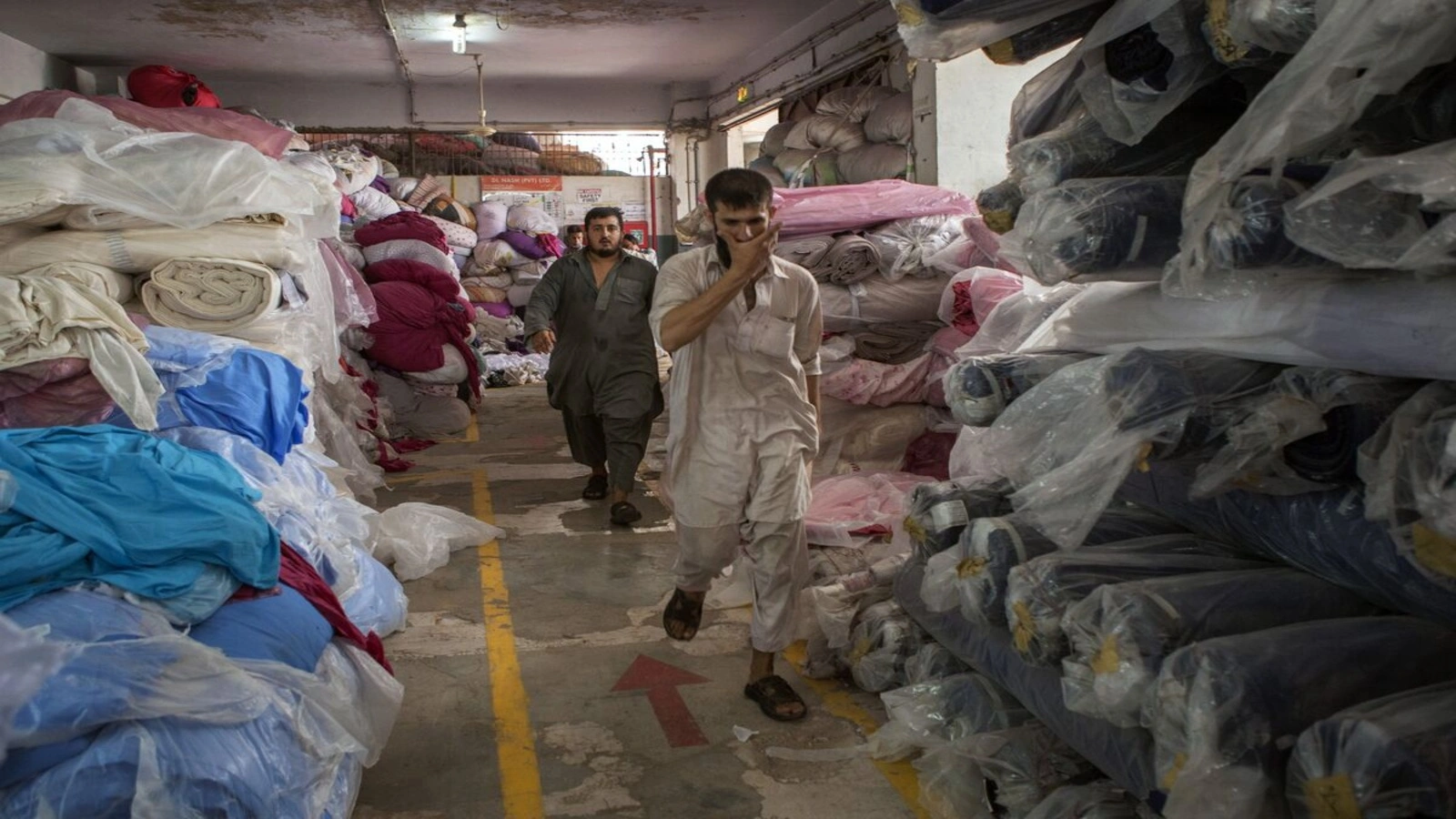
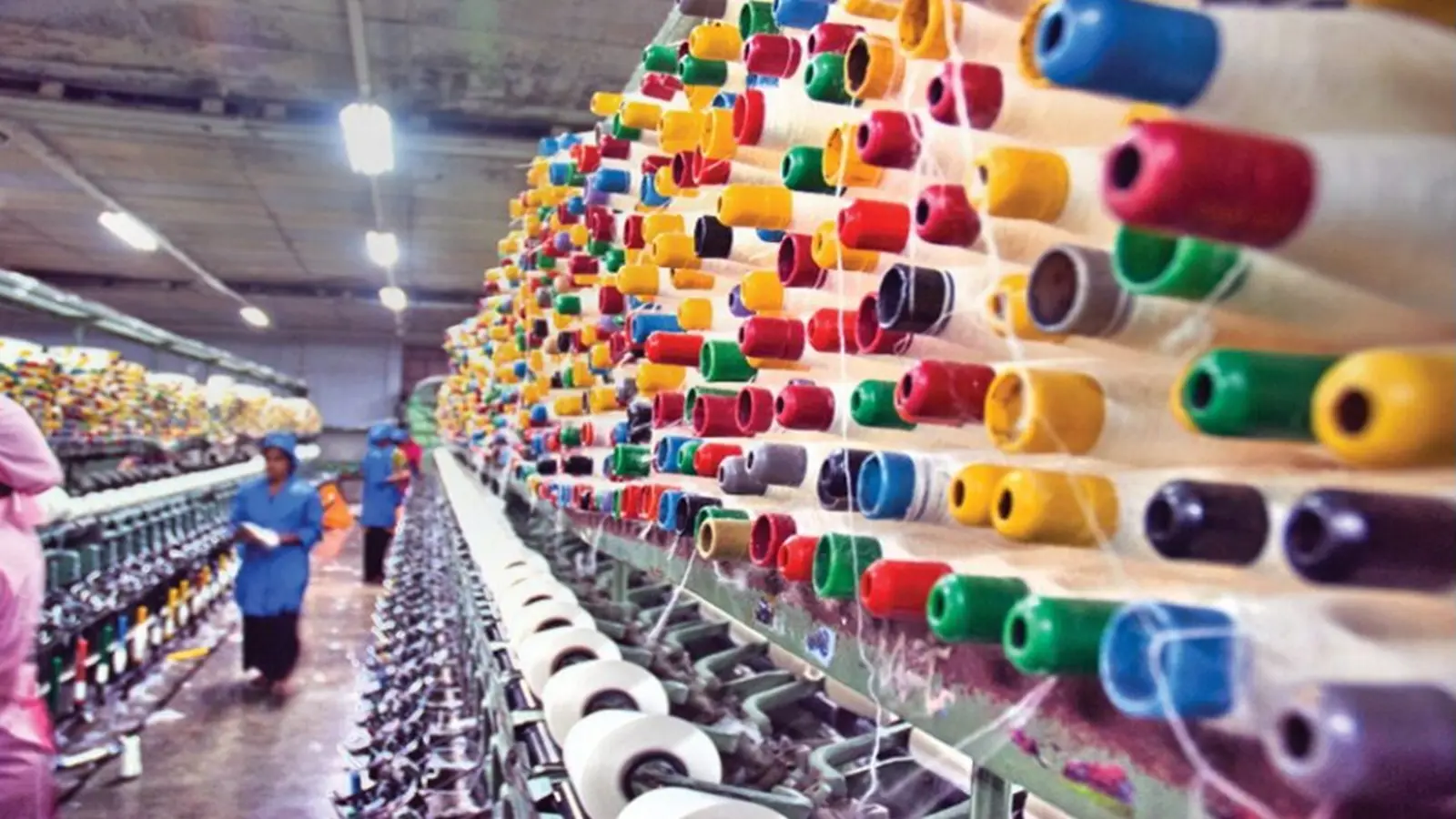
Pakistan Textile Industry, long viewed as the engine of national exports, is passing through one of its most difficult phases. Declining exports, factory closures, and falling investor confidence paint a sobering picture. For several months, shipments have continued to slide, pulling the sector further away from earlier peak performance. Despite having the capacity to scale production and serve major global markets, the industry is steadily losing ground to regional competitors. High production costs, policy uncertainty, and weak logistics have turned once competitive mills into struggling operations, placing thousands of jobs at risk.
At the core of the crisis lies a collapsing cotton ecosystem. Poor seed quality, outdated farming methods, and limited research support have sharply reduced output, forcing mills to depend on costly imports. Ginning and spinning units are shutting down at an alarming pace, while farmers face falling prices and mounting losses. Additional pressure comes from taxation and regulatory changes that have tightened cash flow across the value chain. Key stress points include
• Sharp decline in domestic cotton availability
• Heavy tax burden across cotton and byproducts
• Cheaper imported yarn weakening local spinning
• Reduced utilization of manufacturing capacity
These challenges have weakened the foundation of the textile value chain, making recovery increasingly complex.
Energy shock and logistics breakdown
Energy costs remain one of the biggest hurdles. Electricity tariffs far exceed regional benchmarks, while unreliable power supply disrupts production schedules and damages equipment. External pressures, including higher tariffs in major export markets, further erode competitiveness. As the industry struggles to cope, a nationwide cargo transport strike has delivered a fresh shock. Export consignments remain stranded, factories face stalled inputs, and financial losses are mounting daily. This logistics paralysis has amplified existing stress, pushing an already fragile sector closer to a breaking point.
Without urgent policy correction, cost rationalization, and coordinated action across agriculture, energy, and trade, Pakistan textile industry risks long term erosion. What was once a pillar of economic strength now stands at a decisive moment, where survival depends on swift and meaningful reform.
03:11 PM, Dec 29


Industry Update


1.webp)

1.webp)


1.webp)


1.webp)
1.webp)
1.webp)


Kolkata Set to Become Textile Sourcing Hub as YARNEX and TEXINDIA Return in January 2026...view more
1.webp)
1.webp)

1.webp)



1.webp)
1.webp)
1.webp)

1.webp)
1.webp)
1.webp)

1.webp)
1.webp)
1.webp)


1.webp)


1.webp)


1.webp)



1.webp)


1.webp)


1.webp)
1.webp)
1.webp)

1.webp)

.webp)

1.webp)


1.webp)









1.webp)






1.webp)



1.webp)



Carrington Textiles Introduces Defence Stock Range for Faster Access to Military Fabrics...view more


1.webp)


1.webp)


1.webp)
1.webp)


India’s Energy Giant to Reshape Textile Landscape with Advanced Polyester Hub in Bhadrak...view more

1.jpg)


_large1.jpeg)


.png)


.jpg)


1.jpeg)