

Textile Industry Steps into a New Age of Water Resilience with Common Framework

Share Post
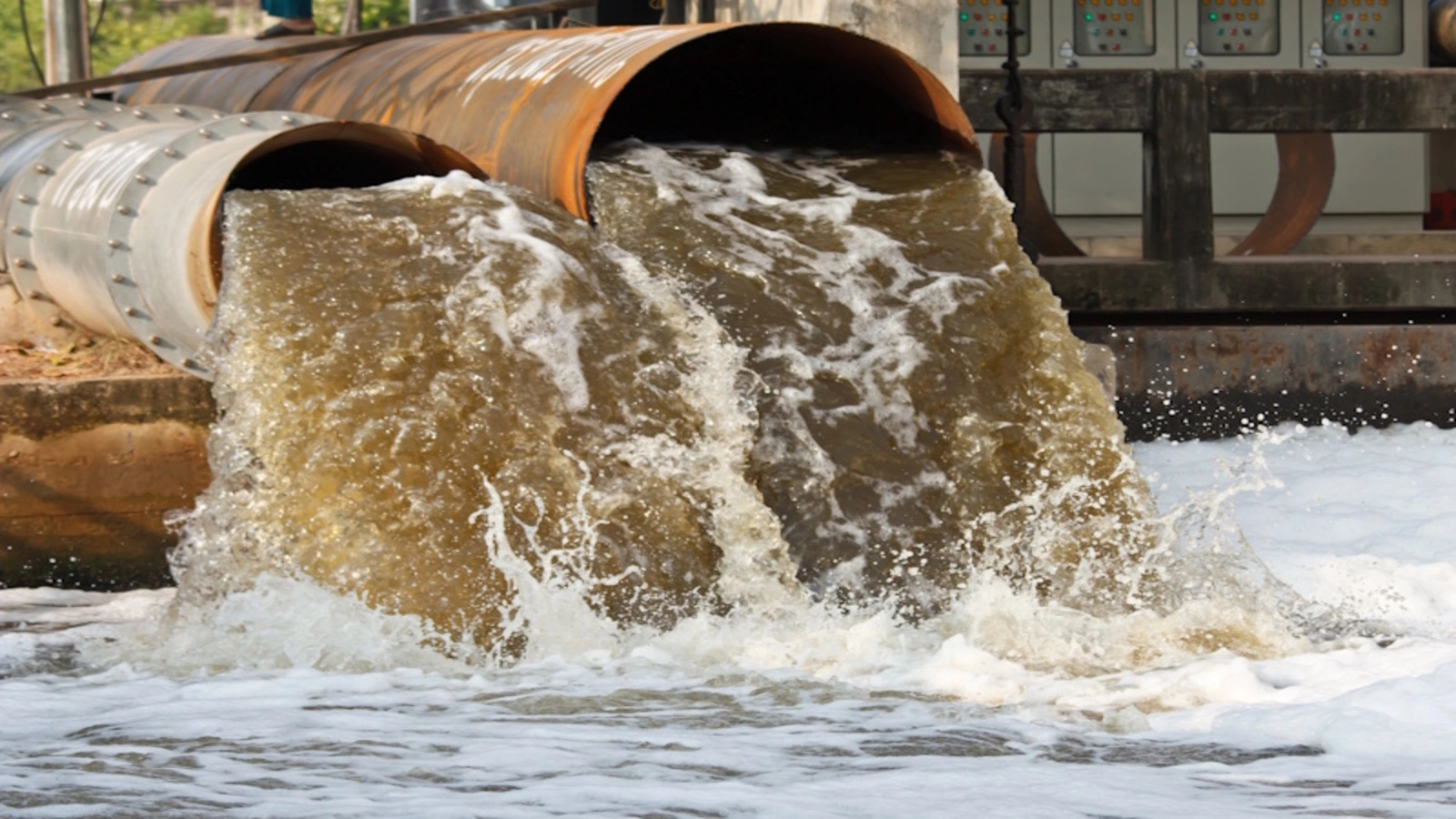
A new chapter is unfolding for global Textile and Leather value chains as a collaborative initiative takes shape to confront growing water risks. The Common Water Framework has been launched with the aim of strengthening water resilience across manufacturing networks that span multiple regions and production stages. Led by Corporate Water Leaders, the framework brings together influential fashion brands and their suppliers around a shared vision of responsible water use. At a time when water scarcity, pollution and regulatory pressure are intensifying, the initiative reflects a shift from isolated action to collective responsibility, placing water stewardship at the center of long term business continuity.
How the Framework Works on the Ground
The Common Water Framework is designed as a practical and scalable model rather than a top down mandate. It seeks to align expectations between brands and suppliers while creating clarity around action priorities. Key focus areas include:
• Shared water risk assessment across sourcing regions
• Consistent performance benchmarks for suppliers
• Integration of local water context into decision making
• Support for suppliers through tools, guidance and collaboration
By encouraging common language and aligned goals, the framework aims to reduce duplication of efforts while accelerating real improvements in water management. It also recognizes that water challenges vary widely by geography, making local engagement and data driven planning essential for meaningful impact.
Building Resilience Across the Supply Chain
Beyond compliance, the initiative positions water stewardship as a strategic advantage. Stable access to clean water supports production reliability, community well being and environmental balance. For brands, the framework offers a pathway to strengthen supply chain resilience while responding to rising expectations from consumers, investors and regulators. For suppliers, it opens access to shared knowledge and long term partnerships rather than fragmented demands.
As climate pressures reshape global manufacturing, the Common Water Framework stands as a timely response that blends collaboration, accountability and practicality. It sends a clear signal that the future of textiles will be shaped not only by design and innovation, but also by how responsibly the sector manages one of its most critical resources.
12:44 PM, Jan 12
Other Related Topics


Industry Update


1.webp)

1.webp)


1.webp)


1.webp)
1.webp)
1.webp)


Kolkata Set to Become Textile Sourcing Hub as YARNEX and TEXINDIA Return in January 2026...view more
1.webp)
1.webp)

1.webp)


1.webp)
1.webp)
1.webp)

1.webp)
1.webp)
1.webp)

1.webp)
1.webp)
1.webp)


1.webp)


1.webp)


1.webp)




1.webp)


1.webp)


1.webp)
1.webp)
1.webp)

1.webp)

.webp)

1.webp)


1.webp)








1.webp)










1.webp)



1.webp)



Carrington Textiles Introduces Defence Stock Range for Faster Access to Military Fabrics...view more


1.webp)


1.webp)


1.webp)
1.webp)


India’s Energy Giant to Reshape Textile Landscape with Advanced Polyester Hub in Bhadrak...view more

1.jpg)


_large1.jpeg)


.png)


.jpg)


1.jpeg)