

Breakthrough Reactor Promises to Cut Textile Dye Pollution by Up to 98%

Share Post
A New Answer to an Old Environmental Challenge
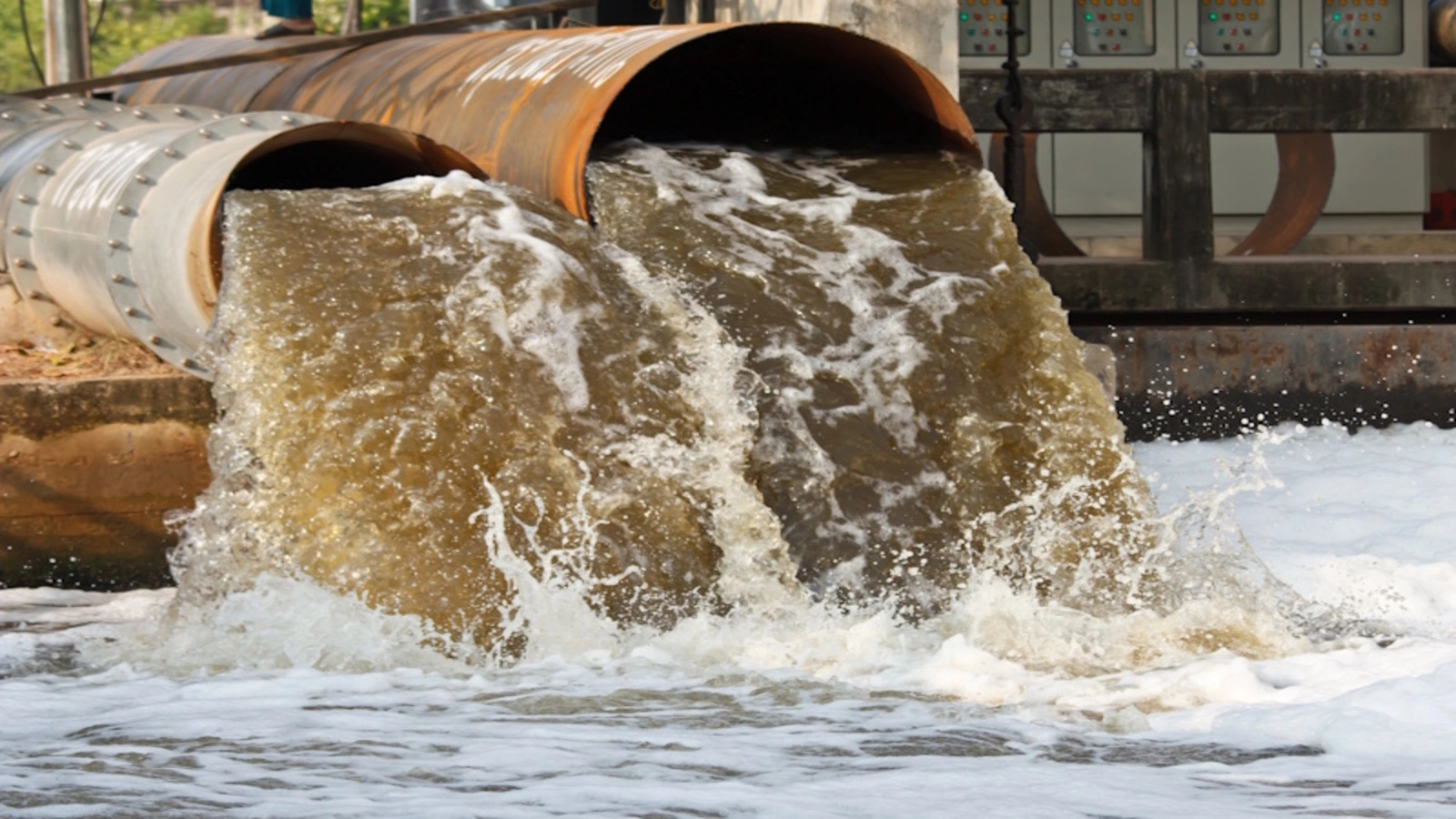
Textile dyeing has long been one of the most polluting stages in garment manufacturing, with coloured wastewater posing serious threats to rivers, soil and aquatic ecosystems. Now, researchers in Iran say they may have found a powerful solution. Scientists at Isfahan University of Technology have developed a laboratory-scale electrocoagulation (EC) reactor capable of removing up to 98 percent of colour from textile dyeing wastewater.
The findings, published in the peer-reviewed journal Scientific Reports, highlight a promising advance in wastewater treatment technology. According to the study, the reactor not only dramatically reduces visible colour but also removes more than 80 per cent of key chemical pollutants typically found in textile effluents.
How the Technology Works
Electrocoagulation is not entirely new, but the researchers’ redesigned reactor improves efficiency and pollutant removal performance. The system works by applying an electrical current to wastewater through metal electrodes, triggering chemical reactions that destabilise and bind contaminants. These pollutants then form clumps (flocs) that can be easily separated from the water. Key outcomes from the study include:
- Up to 98% colour removal from dyeing wastewater
- Over 80% reduction in major pollutants, including organic load indicators
- Improved sludge formation for easier separation
- Enhanced operational efficiency in laboratory trials
By optimising electrode configuration and operating conditions, the team achieved higher treatment effectiveness compared to conventional setups. The approach is particularly relevant for textile clusters in developing economies, where dye pollution remains a persistent environmental issue.
Implications for the Global textile industry
If successfully scaled beyond laboratory conditions, the technology could offer Textile manufacturers a more sustainable and potentially cost-effective wastewater treatment option. The industry is under growing regulatory and consumer pressure to reduce its environmental footprint, particularly in water-intensive processes like dyeing and finishing. The innovation could contribute to:
- Cleaner discharge into water bodies
- Reduced environmental compliance risks
- Improved sustainability credentials for textile exporters
- Lower long-term treatment costs if implemented efficiently
While further pilot-scale and industrial trials will be necessary, the research signals a meaningful step toward cleaner textile production. As sustainability increasingly shapes sourcing decisions and regulatory frameworks worldwide, such technological advances may become critical in helping the industry balance productivity with environmental responsibility.
12:36 PM, Feb 23

India’s Private Sector Records Strong Growth in February 2026
04:22 PM, Feb 20
.webp)

China’s Home Interiors Sector Faces Survival Test
10:58 AM, Feb 18Industry Update


1.webp)


.webp)
1.webp)
1.webp)


1.webp)

1.webp)
1.webp)




1.webp)
1.webp)

1.webp)


1.webp)


1.webp)
1.webp)


1.webp)

1.webp)


1.webp)


1.webp)
1.webp)
1.webp)


Kolkata Set to Become Textile Sourcing Hub as YARNEX and TEXINDIA Return in January 2026...view more
1.webp)
1.webp)

1.webp)


1.webp)
1.webp)
1.webp)

1.webp)
1.webp)
1.webp)

1.webp)
1.webp)
1.webp)


1.webp)


1.webp)


1.webp)





1.webp)


1.webp)


1.webp)
1.webp)
1.webp)

1.webp)

.webp)

1.webp)


1.webp)








1.webp)











1.webp)



1.webp)



Carrington Textiles Introduces Defence Stock Range for Faster Access to Military Fabrics...view more


1.webp)


1.webp)


1.webp)
1.webp)


India’s Energy Giant to Reshape Textile Landscape with Advanced Polyester Hub in Bhadrak...view more

1.jpg)


_large1.jpeg)


.png)


.jpg)


1.jpeg)